PASSIONATELY CURIOUS

  • Home
  • About
  • Blog
    • Recent Posts
  • Resources
    • Lessons by Topic >
      • Motion
      • Forces
      • Energy
      • Momentum
      • Circular Motion
      • Waves
      • Electricity
      • Atomic Physics
      • Astrophysics
      • Periodic Table
      • Bonding
      • Chemical Reactions
      • Nature of Science
      • Engineering
    • Collections >
      • Demonstrations
      • Mystery and Breakout Tasks
      • Team Building
      • Mystery Pixel Art
      • Google Form Walk Arounds
      • Design Problems
      • Microsoft Excel
      • Online/Hybrid Lessons
    • Posters
    • 3D Printed Kits >
      • Ionic Bonding Puzzle
      • Radioactive Dice
      • Tangram Square Challenge
      • Tangential Velocity Launcher
      • Double Slit - Physical Model
      • Hair Diffraction Laser Mount
      • Button Battery LED Holder
      • Resonator
      • Cup Balance
      • Penny Circles
    • Teaching Strategies
    • Sessions and Speeches
    • Just For Fun >
      • Science Memes
      • Science Songs
      • Top Tweets
  • Notes
    • Science Skills
    • Forces
    • Motion
    • Projectiles
    • Force Fields
    • Circular Motion
    • Energy
    • Wave Resonance
    • Wave Interactions
    • Electricity
    • Thermal Physics
    • Atomic Physics
    • Astrophysics
  • IB Physics
    • Units
    • Content Guides
    • Notes
    • Review Guides
    • IA Resources
    • Test Review
    • Study Guide
  • Store
  • Contact Me
  • Home
  • About
  • Blog
    • Recent Posts
  • Resources
    • Lessons by Topic >
      • Motion
      • Forces
      • Energy
      • Momentum
      • Circular Motion
      • Waves
      • Electricity
      • Atomic Physics
      • Astrophysics
      • Periodic Table
      • Bonding
      • Chemical Reactions
      • Nature of Science
      • Engineering
    • Collections >
      • Demonstrations
      • Mystery and Breakout Tasks
      • Team Building
      • Mystery Pixel Art
      • Google Form Walk Arounds
      • Design Problems
      • Microsoft Excel
      • Online/Hybrid Lessons
    • Posters
    • 3D Printed Kits >
      • Ionic Bonding Puzzle
      • Radioactive Dice
      • Tangram Square Challenge
      • Tangential Velocity Launcher
      • Double Slit - Physical Model
      • Hair Diffraction Laser Mount
      • Button Battery LED Holder
      • Resonator
      • Cup Balance
      • Penny Circles
    • Teaching Strategies
    • Sessions and Speeches
    • Just For Fun >
      • Science Memes
      • Science Songs
      • Top Tweets
  • Notes
    • Science Skills
    • Forces
    • Motion
    • Projectiles
    • Force Fields
    • Circular Motion
    • Energy
    • Wave Resonance
    • Wave Interactions
    • Electricity
    • Thermal Physics
    • Atomic Physics
    • Astrophysics
  • IB Physics
    • Units
    • Content Guides
    • Notes
    • Review Guides
    • IA Resources
    • Test Review
    • Study Guide
  • Store
  • Contact Me

Blog

Physical Double Slit Model

10/7/2023

Comments

 
My favorite way to teach about the double slit experiment is to use physical model using transparencies that I learned from one of the Perimeter Institute's amazing resources. In this model, students manipulate two transverse wave forms to determine the locations of constructive and destructive interference.

In this post, I'm going to share the version that I use in my classroom
Picture

Files

Physical Double Slit Model (pdf)
File Size: 508 kb
File Type: pdf
Download File

Physical Double Slit Model (editable)
File Size: 34 kb
File Type: docx
Download File

Wave Form Transparencies (pdf)
File Size: 210 kb
File Type: pdf
Download File

Wave Form Transparencies (pdf)
File Size: 504 kb
File Type: pptx
Download File

Picture
Picture
Picture

Materials

  • Scissors
  • Drinking straw
  • Clear tape
  • Sewing pins
  • 1 ft^2 piece of carboard/formboard
  • Ruler

To Print
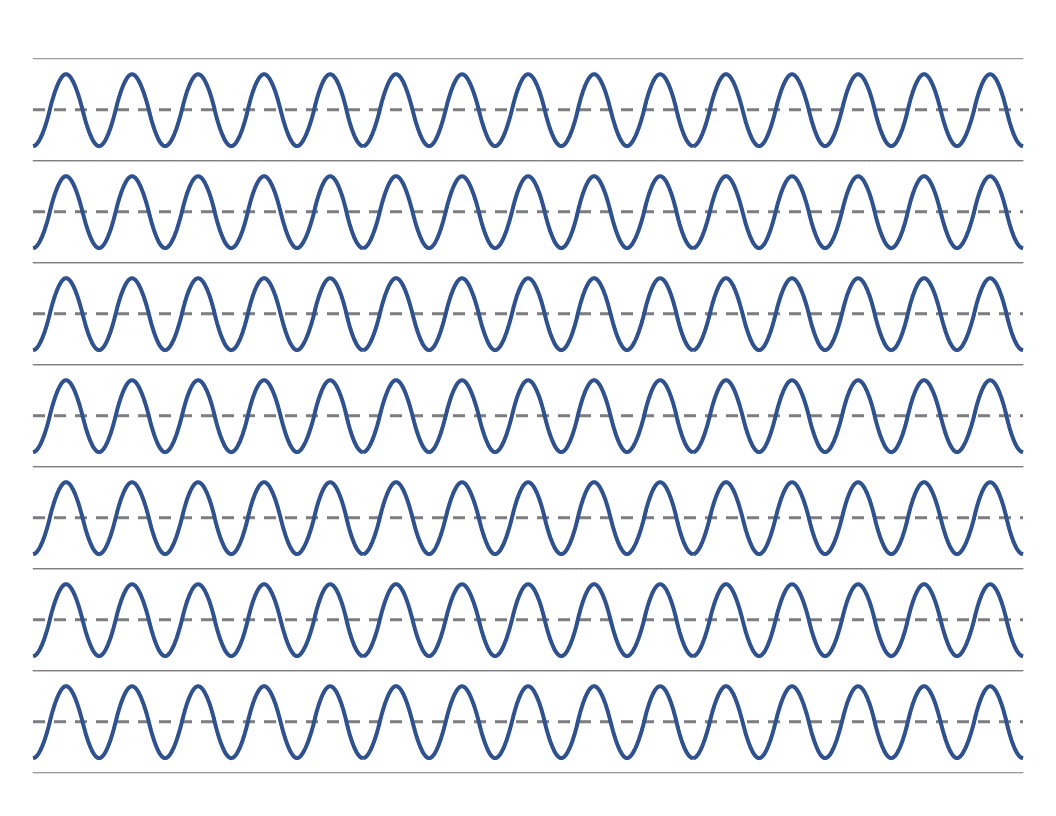
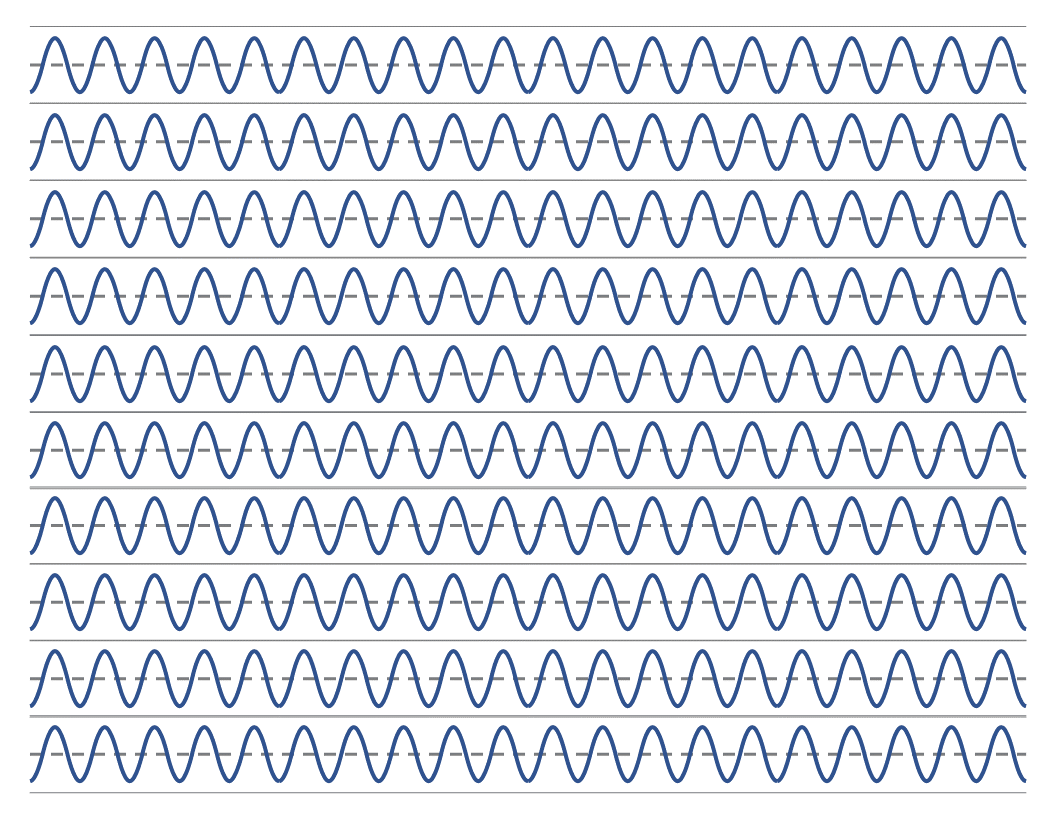
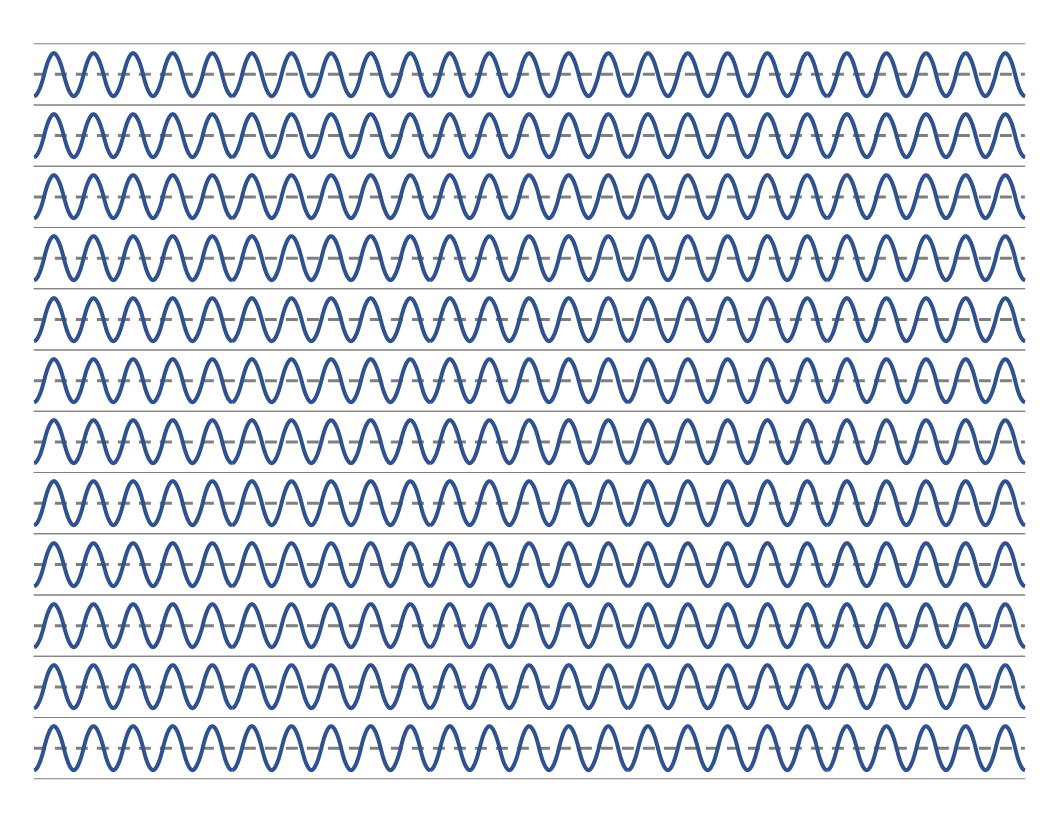
  • Waveform Transparencies – 2 of each size per set up – printed on a transparency film
  • Double Slit Experiment – 1 per set up – printed on a standard sheet of printer paper

Wave Transparency Assembly
  1. Cut apart the individual “boxes” found on the waveform transparencies sheet
  2. For each of the transverse sine waves, cut a piece of a drinking straw the same length as the height of the wave (the shorter dimension) and attach it to the end of the transparency with small piece of clear tape
​
Note: It is most fun and meaningful to be the one actually doing this activity, so it is recommended to make groups as small as possible (ideally working in pairs) so that there isn’t a lack of materials to interact with

Investigation

  1. Set up the physical double slit model by placing the “Double Slit Experiment” printout on top of the piece of cardboard or foamboard.
  2. Pick out two identical transverse waveform transparencies and, using sewing pins, attach them to the print out by poking the pins through the straws into the formboard at the locations marked on the printout. In doing this step, you must ensure that the waves are “coherent” by flipping the straws until each wave starts with a wave crest or wave trough.
  3. Pinching the transparencies together across the page on the solid line, find the position on the line where both waveforms would meet and constructively interfere. This will look like two transparencies perfectly overlaid with crests matching crests and troughs matching troughs. Mark this location with an “X” on the line.
  4. Find any other locations along the solid line that would experience constructive interference and mark an “X” in these locations as well.
  5. Overlap the transparencies in a location halfway between two “X”es. Describe what the wave combination looks like at this location.
  6. With the small angle approximation, the double slit formula simplifies to s = Dλ/d, where s = fringe spacing, D = distance between slits and screen, d = distance between slits, and λ = wavelength.
  7. Using a ruler, measure and annotate the distances for s, D, and d on the “Double Slit Experiment” handout
  8. Use the measurements to calculate the wavelength of the wave.
  9. With the ruler measure the actual wavelength of the waveform transparency used and calculate the percent error of your calculated approximation
  10. Complete steps 2-9 for at least 1 other set of transverse transparencies

Large Scale

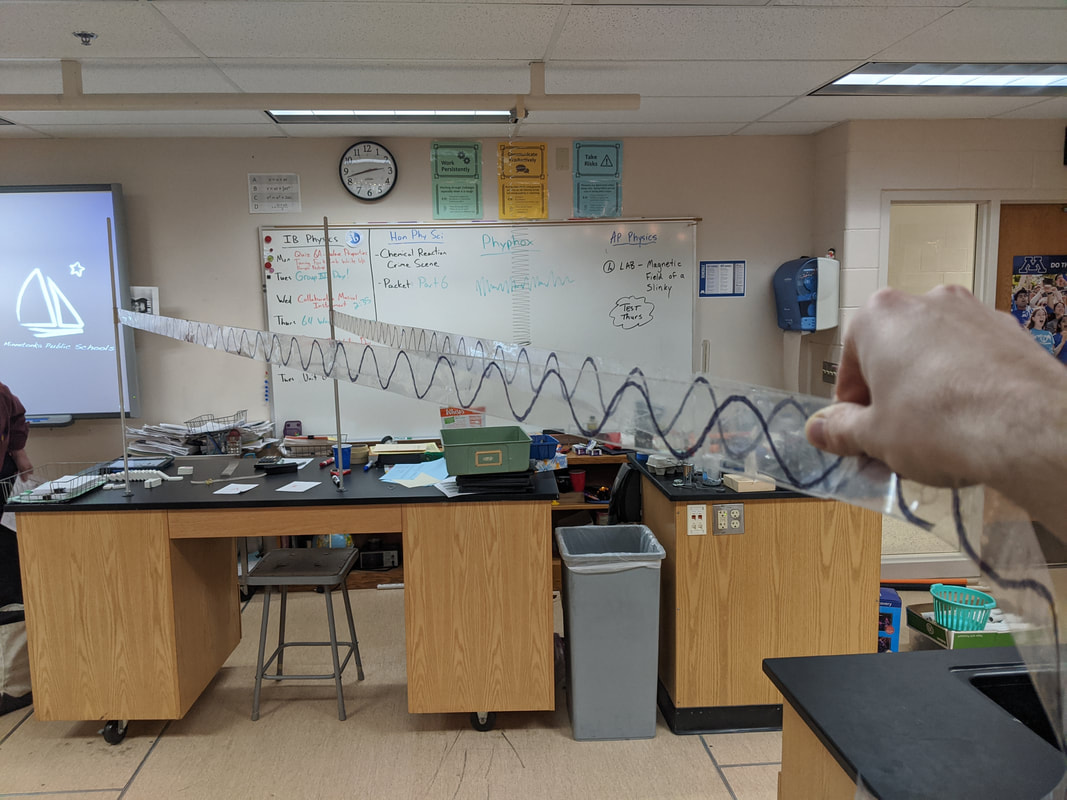
My favorite spin that I've done on this activity is to create a large-scale version of the set up so that I can demonstrate in a classroom sized apparatus. I made this by using toilet paper rolls in the place of straws and packing tape that I carefully doubled up to eliminate the adhesive. I then printed out a sine wave of the desired size and traced it a couple of wavelengths at a time with a permanent marker.

​Click for more Waves resources ​⬇

Picture
Comments
comments powered by Disqus

    RSS Feed

    Picture

    Joe Cossette

    Father, Physics Teacher, Knowles Fellow, Friend, Techie, and Musician

    "Learning to teach teaches me to learn"


    Blog Posts

    • Finding a Habitable Exoplanet
    • Mechanics Super Problem
    • Binding Energy per Nucleon
    • Group Assessment
    • Newton's Law Blocks
    • Plotting the Stars
    • Periodic Aliens
    • Paper Rockets
    • Electronic Holiday Cards​
    • MCwordle Review
    • Bonding Sticker Practice
    • Kiss the Egg​
    • Friction Mini Labs
    • Free Fall Mini Labs
    • Energy Scramble
    • Cryptography Murder Mystery
    • Virtual Circuit Escape Room
    • Internal Resistance Lab
    • Electricity Mini Labs
    • AAPT Presentation
    • When Pigs Fly...
    • Light Mini Labs
    • Sound Mini Labs
    • Mechanics Lab Practical
    • Momentum Mini Labs
    • Energy Mini Labs
    • Mail Merge Assessments
    • Virtual Motion Matchmakers
    • Virtual Motion Escape Room
    • Motion Graph Scavenger Hunt
    • ​The Game of Science
    • Inquiry Cube - "Level Unknown"
    • Inquiry Cubes
    • Sound Wave Interference
    • Circuits Breakout
    • ​Chemical Reactions Crime Scene
    • Bonding Breakout
    • The Missing Piece
    • Groupwork Identity
    • Cup Stack Challenge
    • The Floating Balloon
    • Stop Motion Face Off
    • Motion Graphs Practice
    • Google Form Scavenger Hunt
    • Motion Graph Matchmakers
    • Printable Periodic Table
    • Circuits Scavenger Hunt
    • Energy Scavenger Hunt
    • 1000/24/7 Lectures
    • Up-Goer Five Reports
    • Actionable Norms
    • Writing a Breakout Task
    • Excel on the iPad
    • Excel: Solving with Formulas
    • Excel: Graphing from Data
    • Graphing Lab Data
    • Excel Skills Assessment
    • Energy Breakout​
    • Physics Content Guides
    • Build your own Breakout Kits
    • Building by Design
    • Engineering Communication
    • Google Doc Scavenger Hunt
    • Reflecting on Identity
    • Kinematics Crime Scene
    • Message to the Graduating Class
    • Projectile Murder Mystery
    • Beats by __________
    • The Uncertainty Game Show
    • Data Validation in Google Forms
    • Podcasts
    • Inquiry Cubes

Powered by Create your own unique website with customizable templates.